
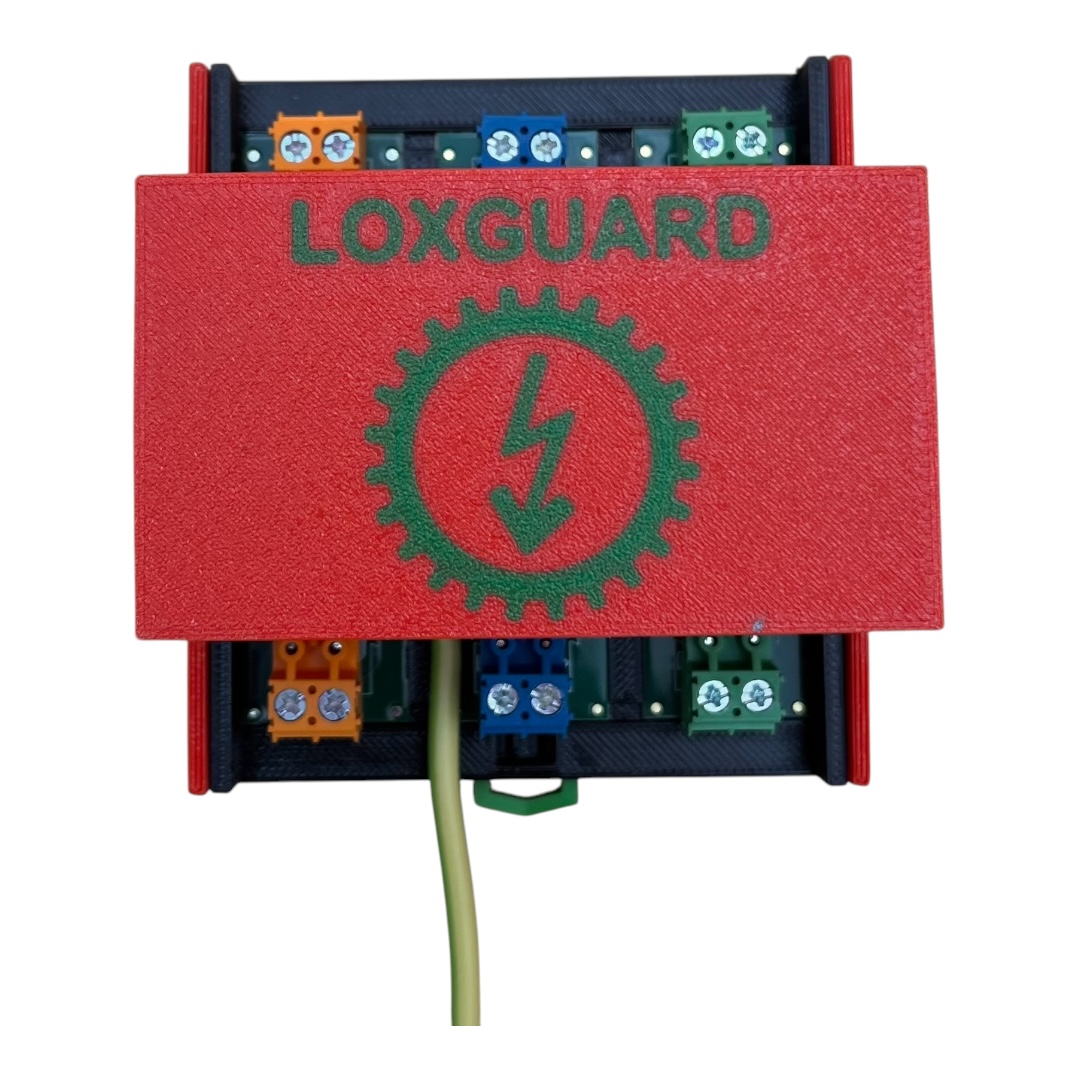
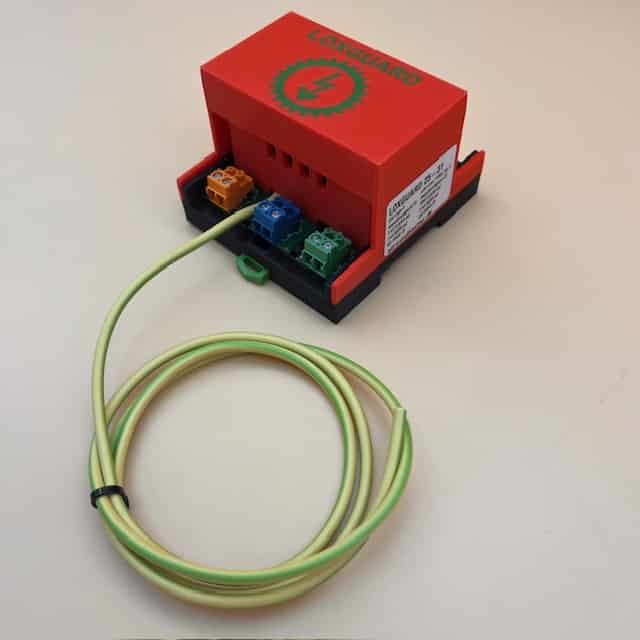
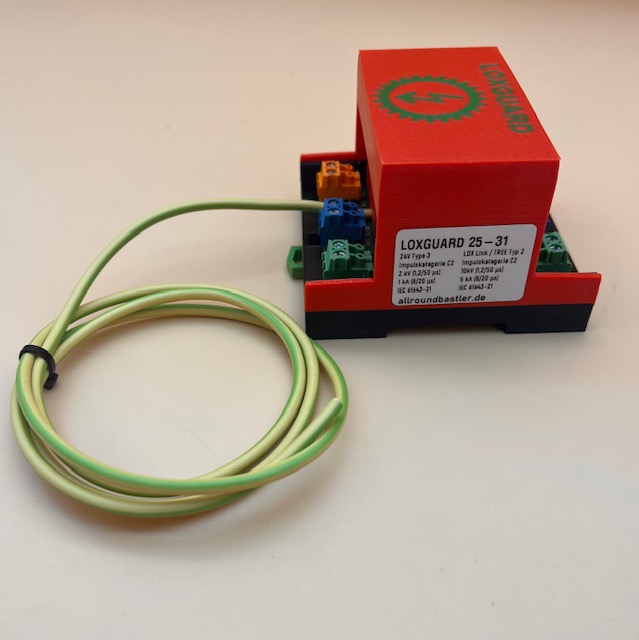
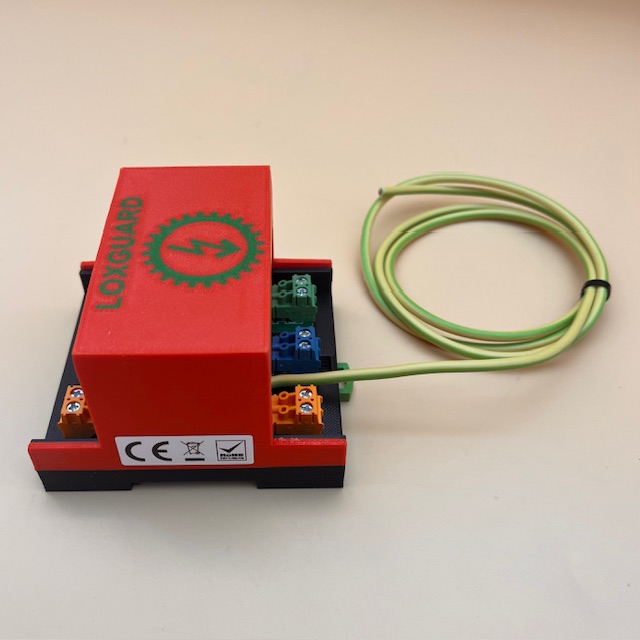
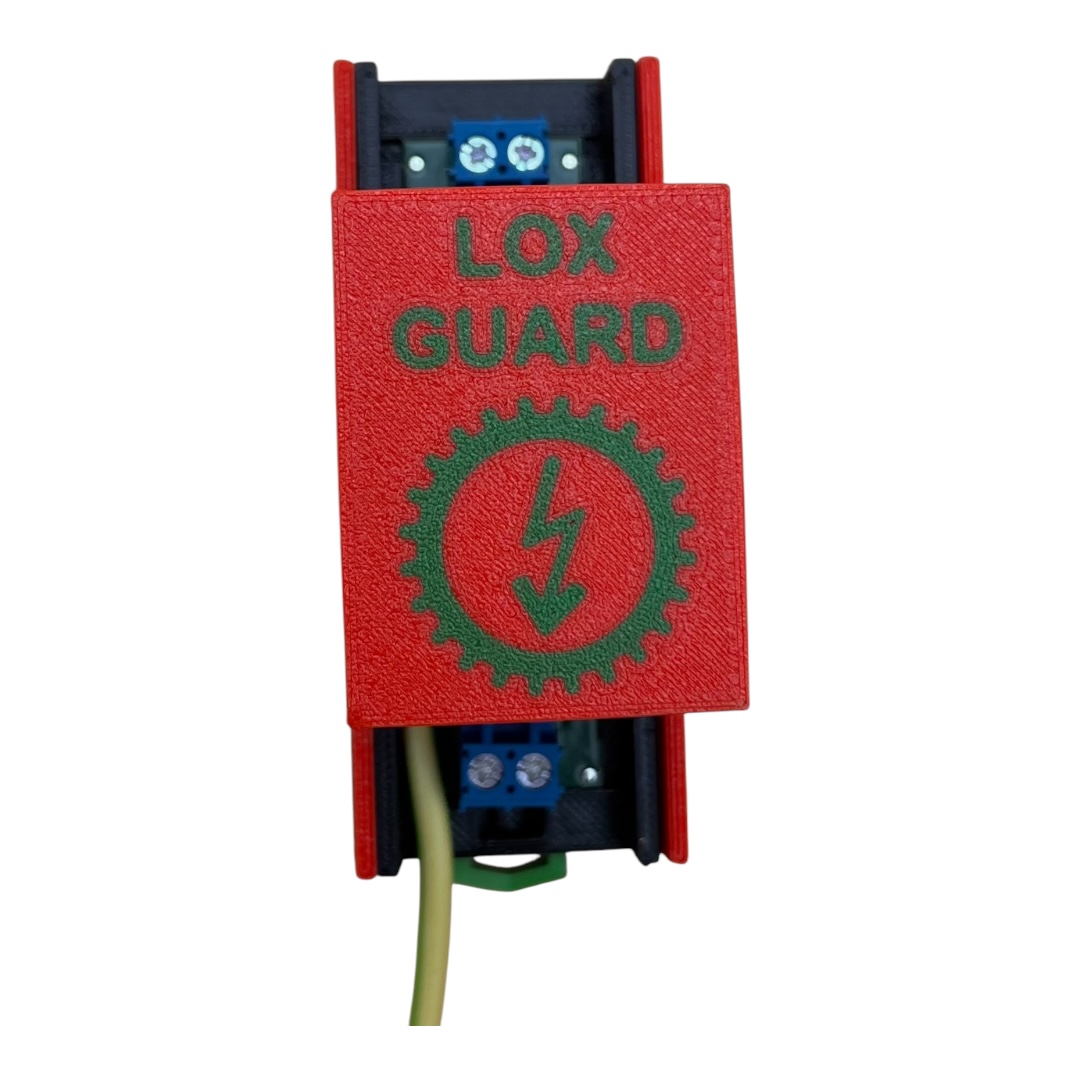
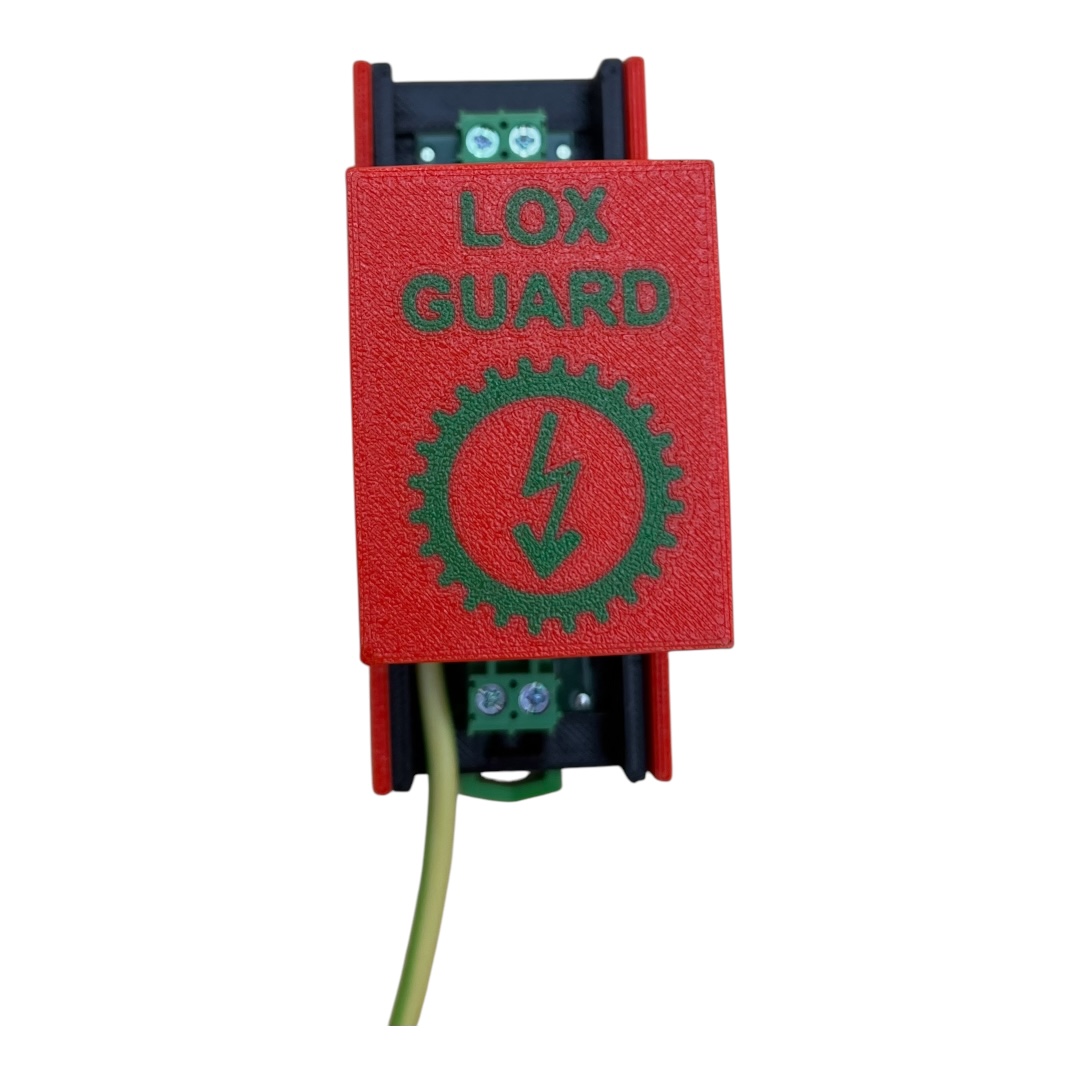
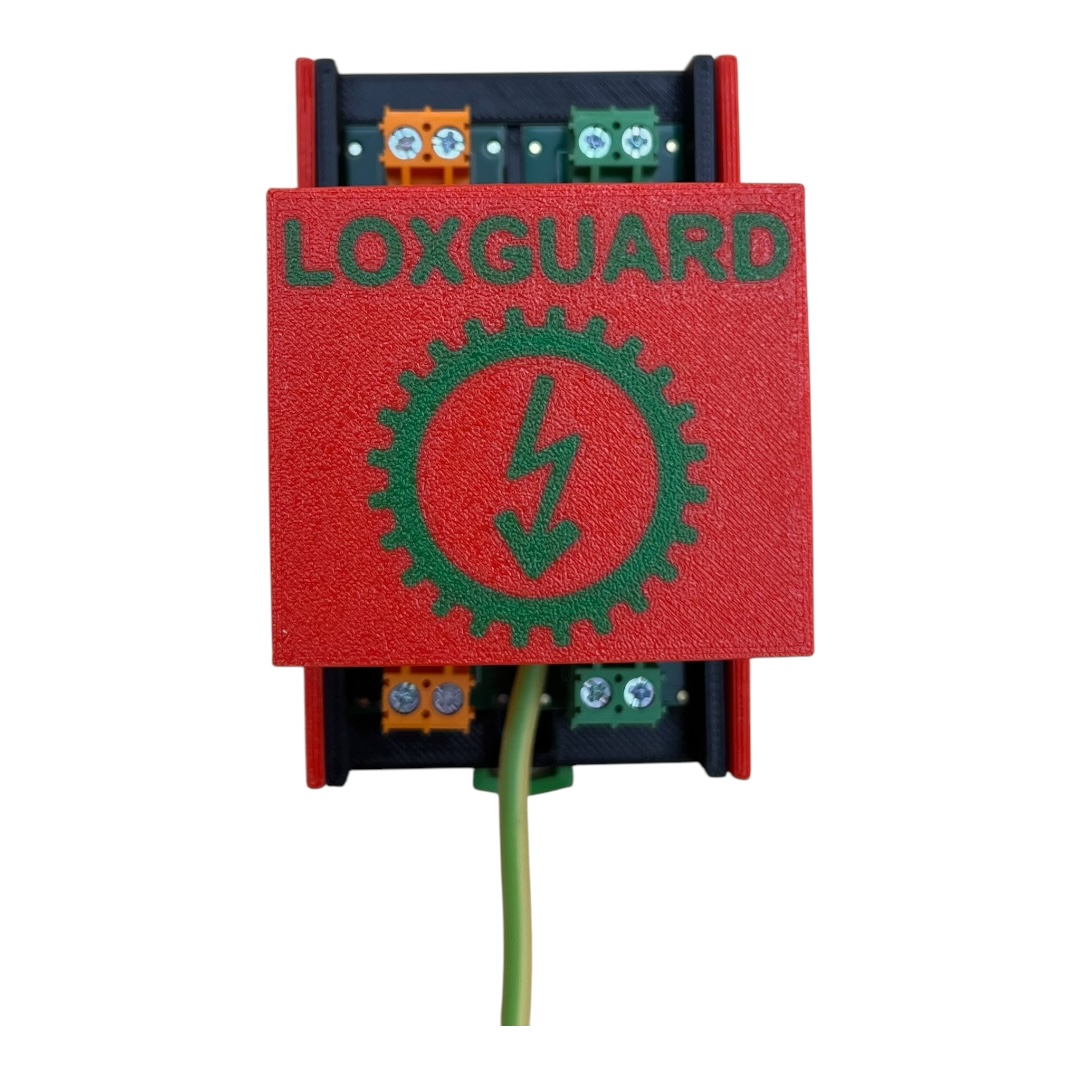
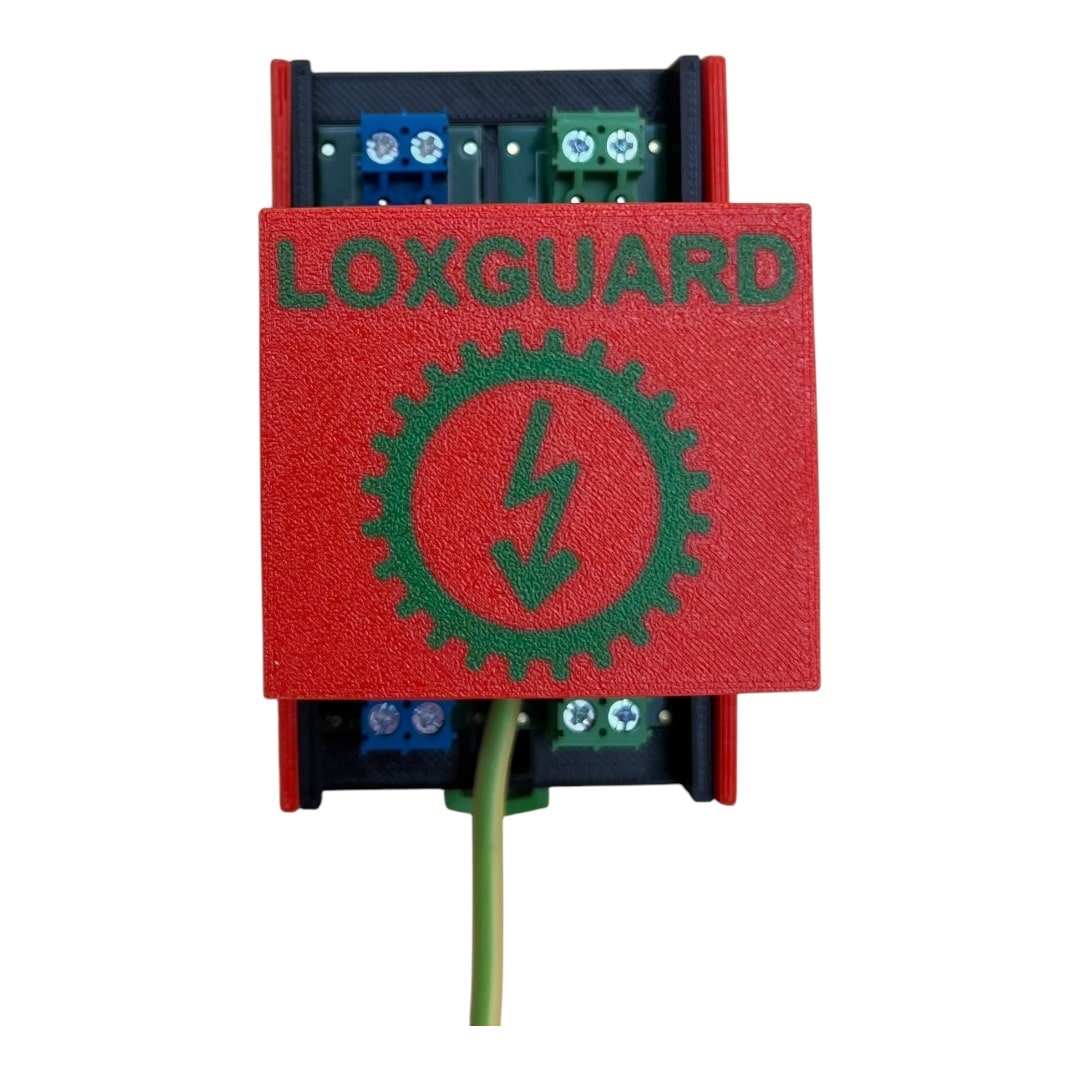
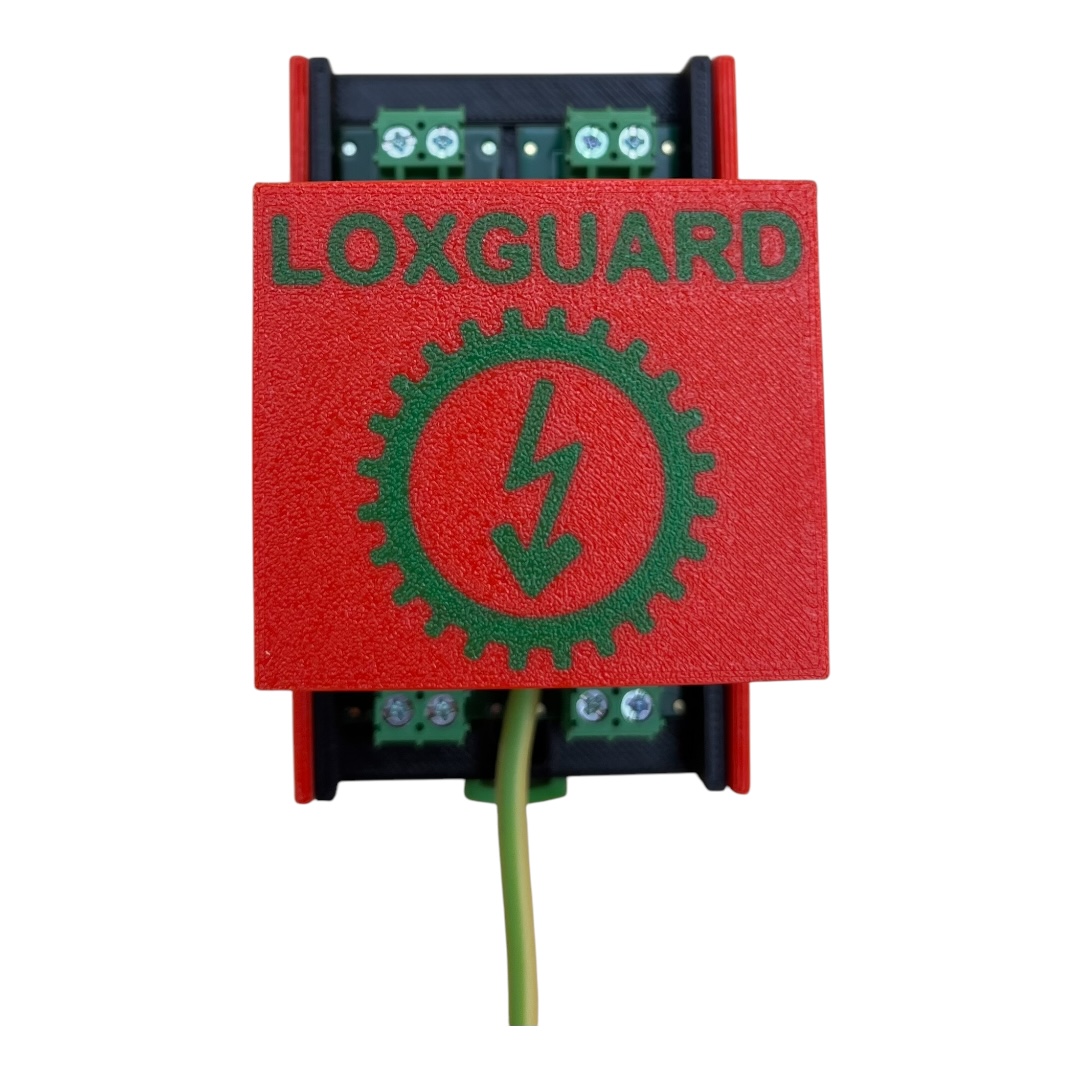
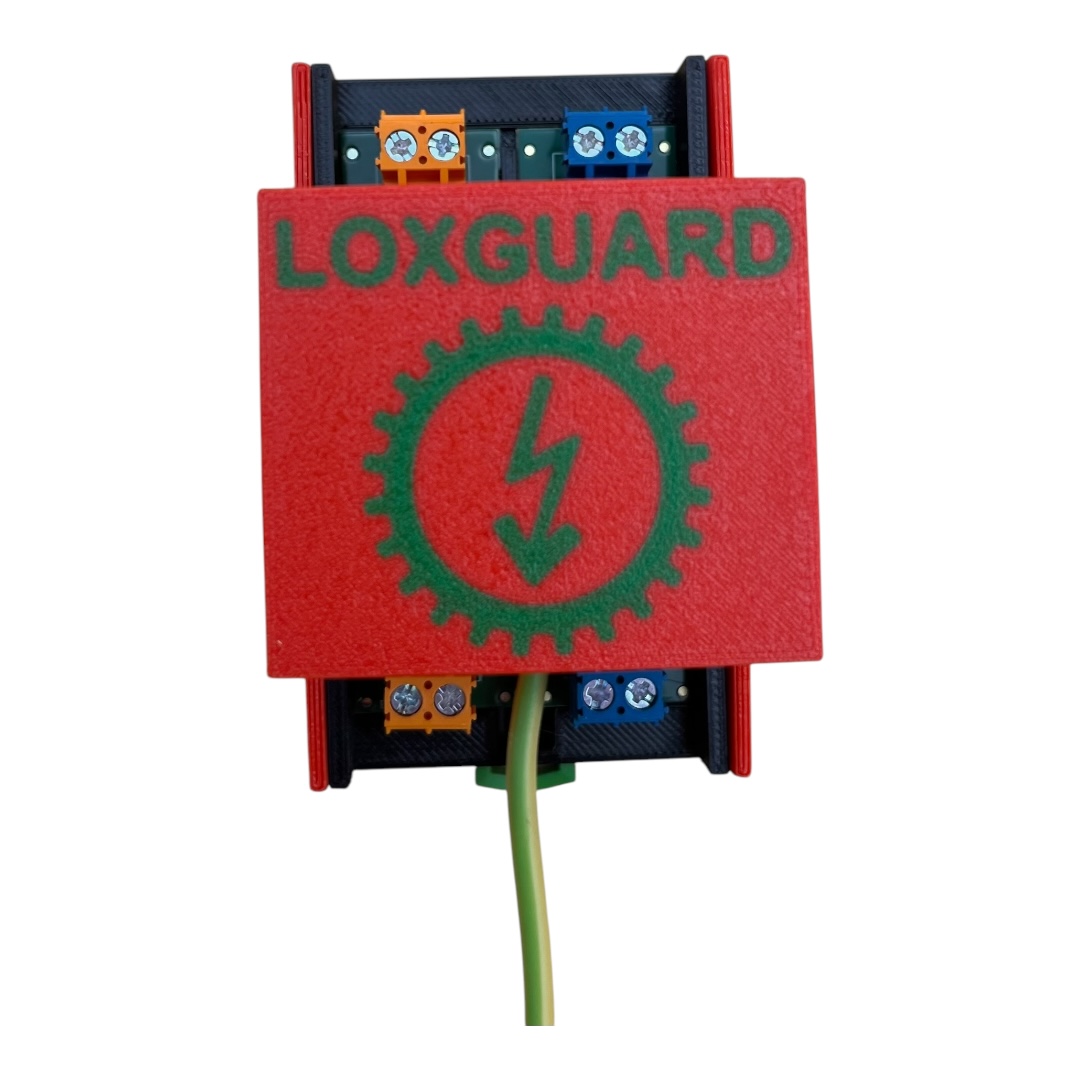
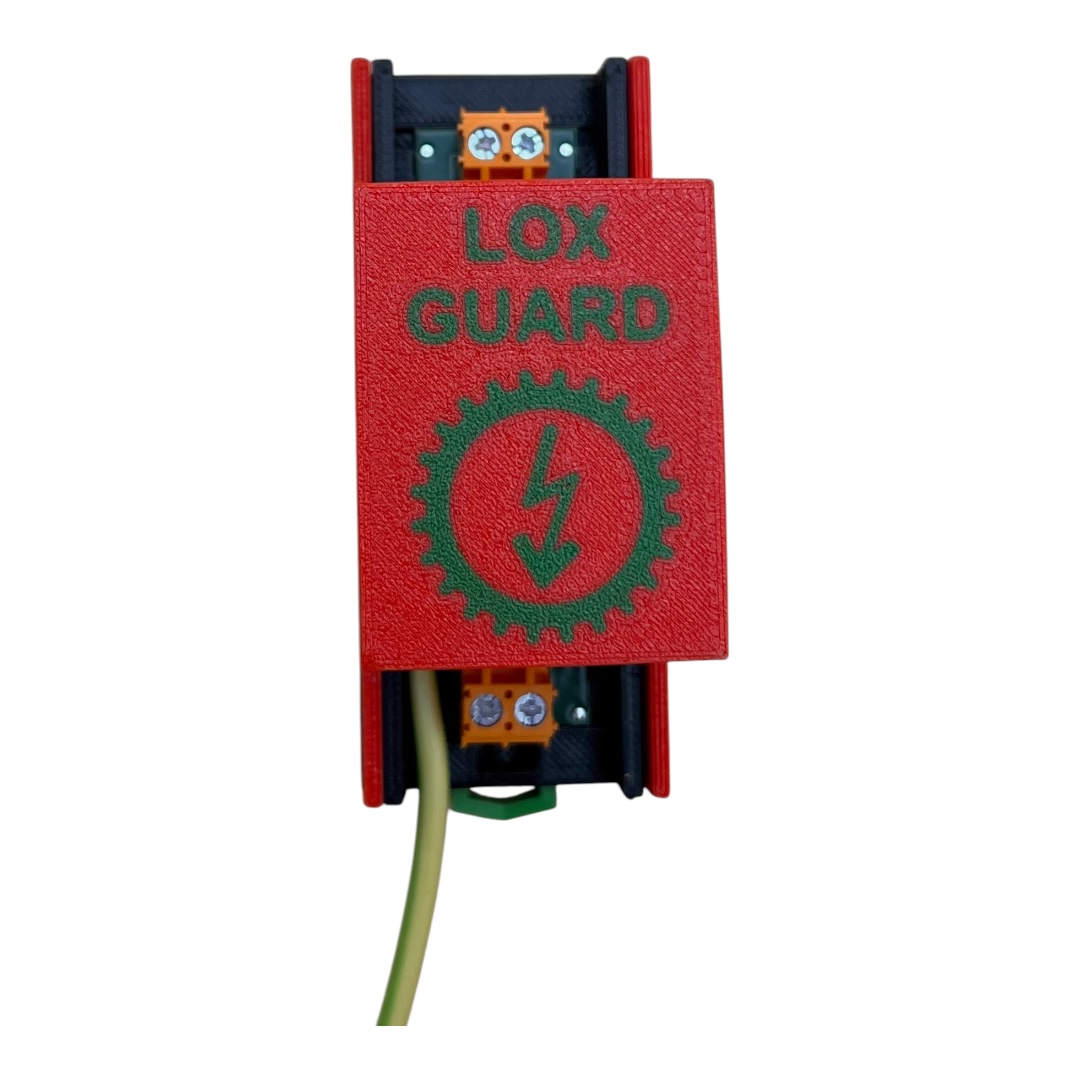
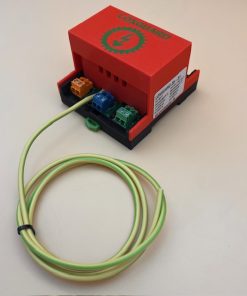
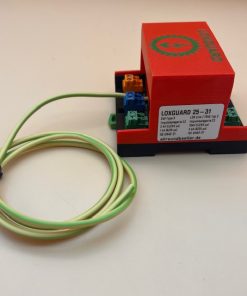
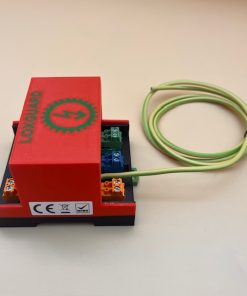
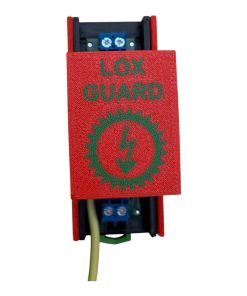
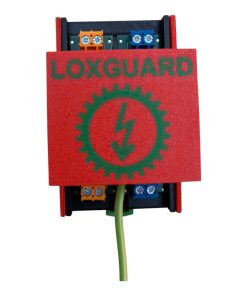
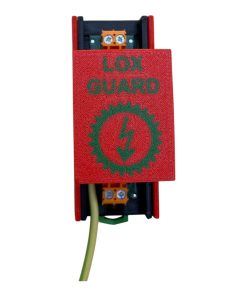
LOXGUARD – Surge Protection for Loxone
From 37,89 €
incl. VAT plus shipping
- Surge protection for the Loxone system
- Made in Germany
- Tested in a high-voltage laboratory
- Increased reliability
- Protection of the Loxone components


Delivery time: approx. 1–3 working days / abroad approx. 3–8 working days
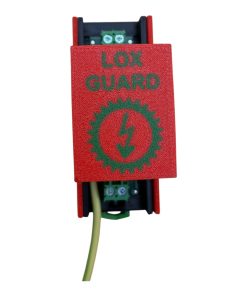
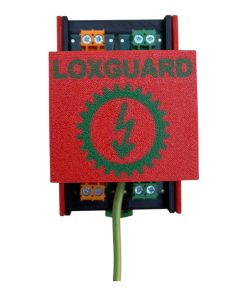
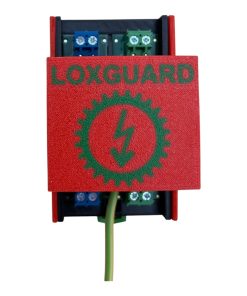
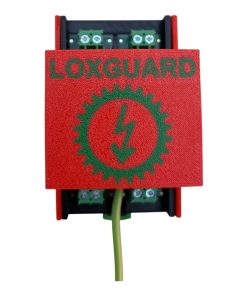
The LOXGUARD protective element for surges and overcurrents with several protection stages. The protection cascade combines a high discharge capacity with a very short response time and very fast current limiting, resulting in very effective protection.
- For LOXLINK and LOXTREE: surge arrester and overcurrent protection in one module, certified for 5,000 amperes (pulse class C2, tested with 10,000 V)
- For LOXLINK and LOXTREE: clamping voltage only 10 V on the device side (after 1 µs)
- For LOXLINK and LOXTREE: combination of three stages with several protection and spark gaps
- For 24V: innovative surge protection element with two protection stages. The protection cascade combines a high discharge capacity with a particularly short response time, resulting in a low protection voltage. Compared with conventional 24V surge arresters, this provides up to 20 times better protection for the connected 24V devices. Very low protection level of only 220 V / 370 V
- For 24V: very fast response from 40 ps
- For 24V: two stages with five protection and spark gaps for 20 times better protection
- PE connection with very low contact resistance for a low-impedance connection with 2.5 mm² (connection cable 1 metre long already fitted to the device)
- For LOXLINK and LOXTREE:
- Very low protection voltage: three-stage module for a protection voltage of only 10 V on the device side after 1 µs
- Including overcurrent protection: the module also contains overcurrent protection (limited to 200 mA)
- Effective protection of the servers: particularly suitable for protecting 24V, LOXLINK and LOXTREE
- Solid protective earth connection: low-impedance PE connection and uncut routing
- Protection stages: innovative three-stage surge arrester including overcurrent protection, low dynamic resistance thanks to protection gaps acting in parallel
- Response time: short response time of the entire module of less than 40 ps
- Certification: LOXLINK and LOXTREE: this surge arrester for information technology systems has been certified to IEC 61643-21-2001 + A1:2009, test C2 for “fast rising edge”, and corresponds to arrester type 2
24V: this surge arrester for information technology systems has been certified to IEC 61643-21-2001 + A1:2009, test C2 for “fast rising edge” (corresponds to type 3) - Protection level 24V + and -: < 220 V at C2 with 1000A (this is about a quarter compared with conventional single-stage arresters)
- Protection level 24V – / PE: < 220 V at C2 with 1000A (this is about a quarter compared with conventional single-stage arresters)
- Protection level 24V + / PE: < 370 V at C2 with 1000A (this is about half compared with conventional single-stage arresters)
- Overall protection: thanks to the combination of short response time, low protection level and fast current limiting, this protective element reduces the stress on the protected devices and on all insulation, especially on the device side, considerably
- Made in Germany
- Test laboratory: pulse and high-current laboratory of PHOENIX CONTACT, Blomberg; accredited to DIN EN ISO / IEC 17025:2018 by the German accreditation body DAkkS with certificate DAkkS: D-PL-12161-03-00
- Note the connection side: because the two module connections (bus side vs. device side) have different protective characteristics, we recommend connecting the longer part of the serial connection on the bus side and the short part – especially to protect servers, extensions and valuable devices – on the device side of the module.
- Further modules on the same bus: the CAN bus (including TREE & LINK) can be protected with several such modules. In this case, only the bus side is connected and the CAN bus is routed past the module. Branches are expressly possible with TREE, so branches can be made on the device side.
- Long cables: for long buses, we recommend one such module every 50 to 100 m.
- The capacitive load on the data lines of the LOXLINK and LOXTREE bus from this surge arrester is approx. 75 picofarads, which corresponds to the capacitance of less than 10 m of bus cable.
- The capacitive load on the 24V line from this surge arrester is 1 nF, which corresponds approximately to the capacitance of 10 m of bus cable.
- Technical operating range of the 24V modules:
- Rated voltage: 28 V
- Rated current: 6 A
- Maximum continuous voltage: 48 V
- Leakage current: < 10 µA
- Insulation resistance at rated voltage: > 2.4 MOhm
- Technical operating range of the LOXLINK and LOXTREE modules:
- Rated voltage / maximum continuous voltage: -21 V to +21 V
- Leakage current D+ to D-: < 1 µA
- Insulation resistance at rated voltage: > 6 MOhm
- Module sizes
LOXGUARD 25-11, 25-12, 25-13 width: 2 modules
LOXGUARD 25-21, 25-22, 25-23, 25-24 width: 3 modules
LOXGUARD 25-31 width: 4.5 modules
1 module (DIN rail pitch unit) = 17.5 mm
- Frequently asked questions about the LOXGUARD:
- What does the LOXGUARD surge arrester do?
The LOXGUARD surge arrester reduces the consequences of near and distant lightning strikes through rapid equalisation between all connected cores with the lightning current equipotential bonding and an almost complete interruption of the current flow between the bus side and the device side of the module. This equalisation and blocking considerably reduces voltages, protecting the components and insulation of the devices connected to the CAN-based bus and of the bus cables. - Does “reduces” mean “not completely”?
No system in the world can offer 100 % protection. However, depending on the design, the probability of damage from lightning can be reduced considerably. With its very short response time and low protection level, this LOXGUARD surge arrester for LOXLINK and LOXTREE is able to offer a very high level of protection for CAN-based bus systems (LOXLINK and LOXTREE), especially if these arresters are installed at several points in the system. On the device side of the module, the surge is almost completely reduced. Even with a massive surge of 10,000 V and 5,000 A (8/20 µs) on the bus side, the protection voltage on the device side after 1 µs is only 10 V at a few mA. This considerably reduces the risk of damage to the components on the device side.
With its short response time and low protection level of 220 / 370 V at 1 kA, the LOXGUARD 24V surge arrester is able to offer a very high level of protection for Loxone systems, especially if they are installed at several points in the system. We assume about 20 times better protection compared with conventional single-stage arresters.
For a high effectiveness of the arresters, we recommend supplementing the low-voltage part of the installation with arresters for power systems type 1 and type 2 (or combined arrester type 1/2). Please get advice from a specialist company on this. - How do I plan and install the LOXGUARD for effective protection?
Depending on the size of the bus system, please plan one or more modules per 24V, LOXLINK and LOXTREE-based bus system. Install the first module in the immediate vicinity of the Miniserver with the connection for the CAN-based bus system (e.g. LOXLINK or LOXTREE). Loop the connections of the CAN-based bus system directly via the device side of the module to the CAN-based bus (the longer part of the bus, which you connect to the bus side). For a longer bus (more than 50 m), we recommend installing another module in the middle of the bus. Connect the CAN-based bus system only to the bus side of this module. On the device side, you can either connect a branch with CAN-based devices or leave this connection unused. For very long CAN-based bus systems, install another module every 50 m.
- Important additional recommendation: have internal lightning protection (type 1 and type 2 arresters) installed for power networks on the low-voltage side.
- CAN bus systems are often galvanically isolated from everything else as SELV systems, and the cables are shielded. How can a surge or lightning destroy anything here?
Nothing is perfect, not even foil shields. Capacitive and inductive coupling of lightning energy is therefore possible. In addition, although the insulation is designed for 4,000 V, lightning generates voltages of up to several hundred thousand volts. This means that all insulation is at risk, especially when it is very close to or in contact with PE, neutral conductors and all phase conductors. We recommend routing all cables of information technology systems as well as signal and bus cables separately from power supply cables. Separate, closed metal cable trays or ducts for the cable routing would be ideal. There is a risk where shields are connected. In the event of a nearby lightning strike, the lightning voltage is conducted into the house through the foundation earth electrode and thus onto the PE of the entire building. This stresses the insulation within the bus cables. This surge arrester for CAN-based bus systems has a low-impedance PE connection and equalises potential differences. Please connect the PE connection of the protection modules to the same PE terminal block on which the shield is connected. From this terminal block, a length of at least 2 m to the main earthing busbar should be maintained (so that, in terms of timing, a type 2 arrester can switch through first). - Why was this LOXGUARD surge arrester for 24V designed with five switching and surge gaps?
Every component for surge protection has its own characteristics in terms of response time, voltage limitation, trigger voltage, maximum voltage, discharge capacity, heat absorption, leakage current, capacitance and polarity. No component leads in all of these characteristics; often one parameter is very pronounced while others are weaker. So that we did not have to make any compromises with this LOXGUARD surge arrester, we combined several components with a total of five switching and surge gaps in a cascade so that components with a very short response time complement components with a high one-off discharge capacity of up to 20,000 amperes. Combining two stages limits the maximum voltage on the bus to approx. 220 / 370 V at 1,000 A in the standard test according to C2 (fast rise). - What endangers the insulation?
A lightning strike is a discharge between a cloud and the earth over an air gap that is briefly conductive. The lightning channel, as a current-carrying conductor, generates an electric and a magnetic field around it. These fields couple capacitively and inductively into cables and conductor loops and change the potentials in all metallic conductors throughout the building. The nearby earth can only absorb part of the lightning energy. About half of the energy is conducted into the building via PE through the foundation earth electrode. In the event of a nearby lightning strike, the equipotential bonding bar and thus the entire PE are therefore at a very high voltage potential of several tens of thousands of volts via the foundation earth electrode. These potential differences seek to equalise among themselves and towards the distant earth in the transformer station reachable via the mains connection (and, depending on the type of network, also towards the earth of neighbouring buildings). To take this path, the lightning voltage also tries to break through the insulation (depending on the type of network) to the neutral and phase conductors. - How does this LOXGUARD surge arrester protect?
The different potentials that form in metallic conductors in the event of a nearby lightning strike seek to equalise. The equalisation takes the path of least resistance. The LOXGUARD arrester offers the surge an easy path by creating a massive short circuit practically immediately when the voltage suddenly rises, through which the potentials can equalise. The LOXGUARD LOXLINK and LOXTREE surge arrester includes the two connected poles as well as PE and creates a short circuit between all three connections. This offers the surge immediate, low-impedance equalisation, so that potential differences are considerably reduced and insulation and components are protected.
Such a surge event is over in this area of the cabling after just twenty millionths of a second. During this short time, the components convert several thousand W into heat. A lightning bolt has an average energy of 280 kWh, about a tenth of which is converted on the ground and in the installations. When the event is over, the components of the LOXGUARD protection module automatically switch back to the non-activated state. - Why are so many switching, protection and spark gaps built into this LOXGUARD LOXLINK and LOXTREE surge arrester?
Every component for surge protection has its own characteristics in terms of response time, voltage limitation, trigger voltage, maximum voltage, discharge capacity, heat absorption, leakage current, capacitance and polarity. No component leads in every one of these characteristics; often one of the parameters is very pronounced while others are less so. So that we did not have to make any compromises with this LOXGUARD surge arrester, we combined several components with several protection and surge gaps in a three-stage cascade so that components with a very short response time complement components with a high discharge capacity. This gives us a high level of protection. - Are there any tips for connecting to PE?
- Same PE terminal blocks: if a surge arrester protects devices that themselves have a mains connection with a protective earth conductor (for example a power supply for devices, servers and gateways), the PE connection of the surge arrester should be routed to the equipotential bonding with the same or lower impedance than the protective earth connection of the device to be protected to its equipotential bonding. We therefore recommend routing the PE connection of the surge arrester by the shortest route to the same PE terminal block to which the protective earth conductor of the power supply to be protected is connected (if it is such a power supply).
The same applies if the shield of the bus cabling has been connected to PE. In this case, the PE of the surge arrester should be routed to the same PE terminal block on which the shield was connected. Such shield connections should be made over the entire circumference of the shield using special clamps; the often braided pigtails are electrically unfavourable for discharging transient surges. - Careful workmanship: please make the PE connection very carefully. Route the cable by the shortest route to the PE terminal block and screw it down properly there too (observe the terminal manufacturer’s specifications, especially regarding the use of wire ferrules and the cross-sections permitted for this terminal). Be sure to avoid forming a spatial loop in the building (to avoid induction in the event of a lightning strike) and never wind the PE cable around anything (do not build a coil). It is important that these connections are mechanically secure, permanently gas-tight and properly contacted. Please remember that this must provide reliable contact for decades. The PE connection is safety-critical and must be made properly and correctly in accordance with the applicable standards. Please leave this to a licensed electrical installation company.
- I have external lightning protection – do I need this LOXGUARD surge arrester at all?
Yes, absolutely. If external lightning protection (a “lightning conductor”) is present, additional internal lightning protection is always required (in accordance with the relevant standards). After all, the lightning is conducted by the lightning current arrester directly via the foundation earth electrode into the building to the equipotential bonding bar. From there, the surge tries to break through to all neighbouring metallic conductors with a lower potential. Only internal lightning protection prevents this by short-circuiting all metallic conductors with each other. This LOXGUARD surge arrester is an important part of such internal lightning protection at level C2 / type 2 and performs this task for the CAN-based bus. It supplements the coarse and medium protection according to type 1 and type 2, which must also be installed – by a specialist for lightning protection systems. - Isn’t surge protection already built into the devices of my CAN-based bus system?
Not always, or not sufficiently. Many devices do have protective diodes built in, but these cannot carry lightning current and have no connection to PE, so they can only equalise transverse voltages, not longitudinal voltages. This protects components inside, but not the insulation of the CAN bus cables. This LOXGUARD surge arrester can discharge about fifty times what the small protective diodes in devices can (if present) – plus against PE. - When does the LOXGUARD surge arrester for LOXLINK and LOXTREE trigger?
The fine stage starts to conduct from about 15 V, the gas discharge arresters ignite from about 150 V and at a rate of voltage rise typical of surge events with a correspondingly steep rising edge. The overcurrent limiters act from 200 mA (depending on the conductor). - When does the LOXGUARD surge arrester for 24V trigger?
Above about 150 V and at a rate of voltage rise typical of surge events with a correspondingly steep rising edge. - Is a LOXGUARD surge arrester destroyed by lightning?
No, usually not; this module can carry lightning currents up to 5,000 amperes. If this should ever happen, let us know – we will certainly find a goodwill solution. - Does the LOXGUARD have to be replaced at some point?
If devices such as televisions or other electronics in the house have been destroyed or damaged after a surge, the LOXGUARD should be replaced, as it cannot be guaranteed that the arresters will react just as quickly in the event of another surge.
FAQ on the LOXGUARD
Want to protect your Loxone installation against surges? Here are the key answers.
Good to know
Which model do I need?
That depends on what you want to protect: 25-11 for the 24 V supply, 25-12 for the Loxone Link, 25-13 for the Tree bus. Models 25-21 to 25-24 protect two lines, the 25-31 all three – 24 V, Link and Tree.
How well does the LOXGUARD protect Link and Tree?
Three stages with additional overcurrent protection (limited to 200 mA). On the device side, only 10 V remain after 1 µs. The Link and Tree versions are certified to IEC 61643-21 (test C2).
How is it earthed?
Via the 1 m PE connection cable with 2.5 mm², which is already fitted to the device.
Does it replace the lightning protection at the house connection?
No, it supplements it directly at the Loxone components. Have the protection concept planned by a qualified electrician.
Your question isn’t listed?Write to us – we are happy to help. We answer enquiries in English by e-mail.
Connection LOXGUARD 25-31 (PDF)
Connection LOXGUARD 25-24, several sub-distribution boards (PDF)
Connection LOXGUARD 25-23 (PDF)
Connection LOXGUARD 25-22 (PDF)
Connection LOXGUARD 25-21 (PDF)
Connection LOXGUARD 25-13 (PDF)
Product safety
Manufacturer information
Die Allroundbastler
Gewerbepark West 4
D-56472 Hof
Germany
eMail: kontakt@allroundbastler.de
Person responsible for the EU
Markus Weyel